Your models run the shot.You run the show.
Script to clip in one tool, on your own API keys, installed at your studio. Nothing moves without a person's sign-off, and the record shows who.
Take 9001 is production software for studios making AI films and series: shot tracking, approvals and every model call on record, on your own API keys.
Discuss a studio pilotTrace one shot: 12 takes, $2.47
Alpha. In production on test episodes.
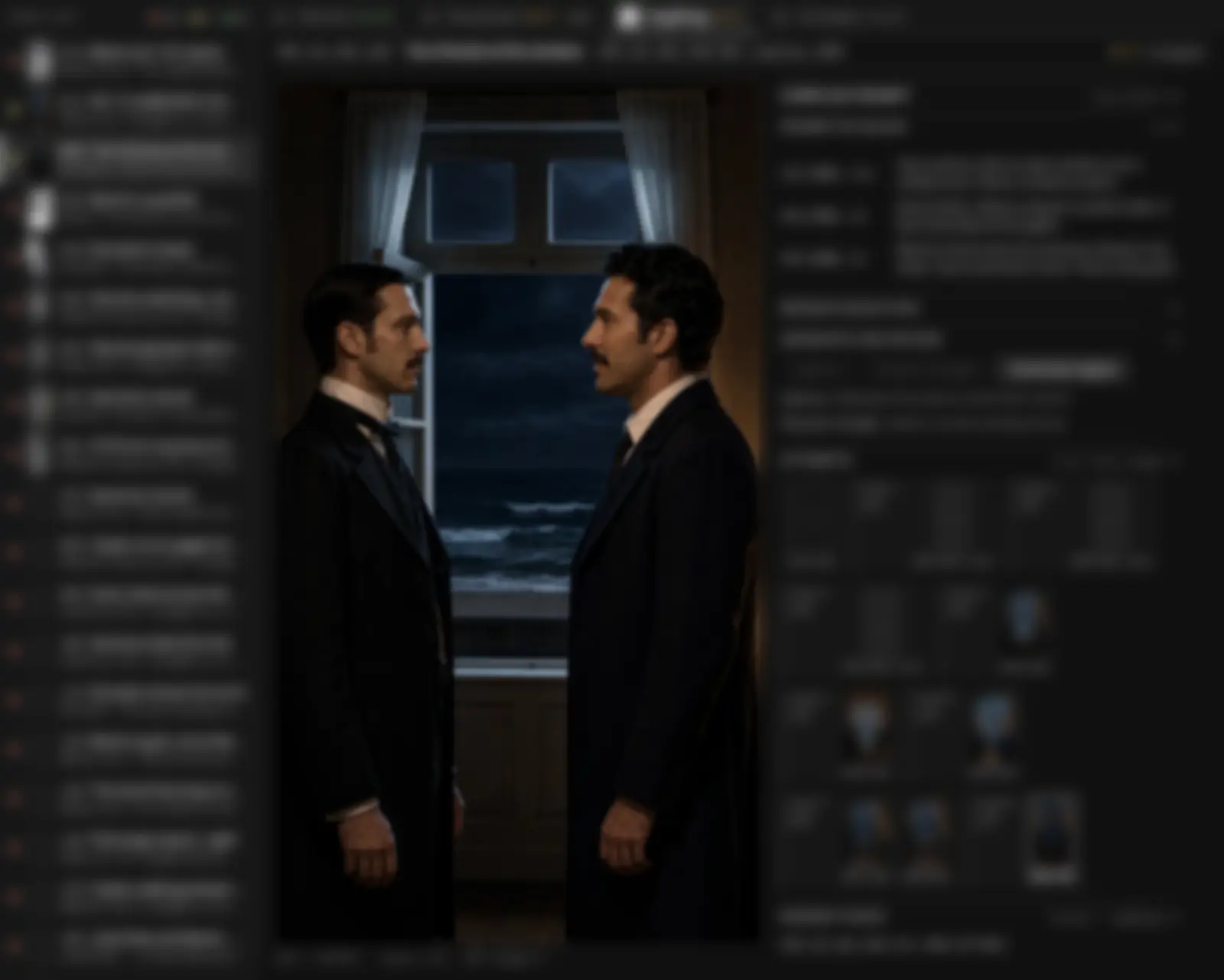
02 / the A/B
same shot, twice. one counted run.
a generate platform vs production software, on one approved shot: LAD 040 was made twice on 15 Oct, in Take 9001 and on one of the ✨ generate ✨ platforms, with the same references, the same brief and the same models available. the clicks, the time and the cost were counted: 31 clicks, 5 minutes and $1.39 in Take 9001, against 318 clicks, 20 minutes and $1.88 plus the $15 plan on the platform.
from the recording and the ledger, 15 oct 2026
LAD_101_001_040
| Take 9001 | ✨ generate ✨ platforms | |
|---|---|---|
| mouse clicks | 31 | 318 |
| keystrokes | 478 | 2,214 |
| time | 5 min | 20 min |
| spent | $1.39 | $1.88 + the $15 plan |
our approved frame came from Nano Banana 2; the two Nano Banana Pro takes before it were discarded. clicks, keystrokes and time counted from the recording. our $1.39 is the approved frame and the clip, from the ledger; the platform's $1.88 is the 25 credits the run used, read from its balance, at $15 for 200.
generate platforms vs production software: the comparison in full
03 / the problem
- Which prompt made the approved frame?
- The client wants one more like Tuesday's. What made Tuesday's?
- The artist fixed it in Photoshop. Which file is the original now?
- The platform changed its model overnight, and the credits were theirs anyway.
Making the image got easy. Running the production didn't.
An AI film production needs what every production needs: version history, and a record of who approved what.
04 / the motion piece
from a script to a shot, every call in the open.
the AI film pipeline in one tool: script, shot list, storyboard, frame, clip and lip sync. this short film shows how one shot gets made: who decided what, and what stayed attached to each take.
music: Henrique Botella
05 / one trace
one frame. every hand that shaped it.
provenance for one shot: the record of every model call, prompt, cost and approval that made it.
shot 030 of Dom Casmurro, episode DOM_101, scene one. seven board takes. the sixth was right except its direction, and the image models cannot mirror a frame. the artist flipped it in Photoshop and uploaded the flip. that is take seven: made by hand, no model, no call, no cost, with the sixth still underneath it, untouched.
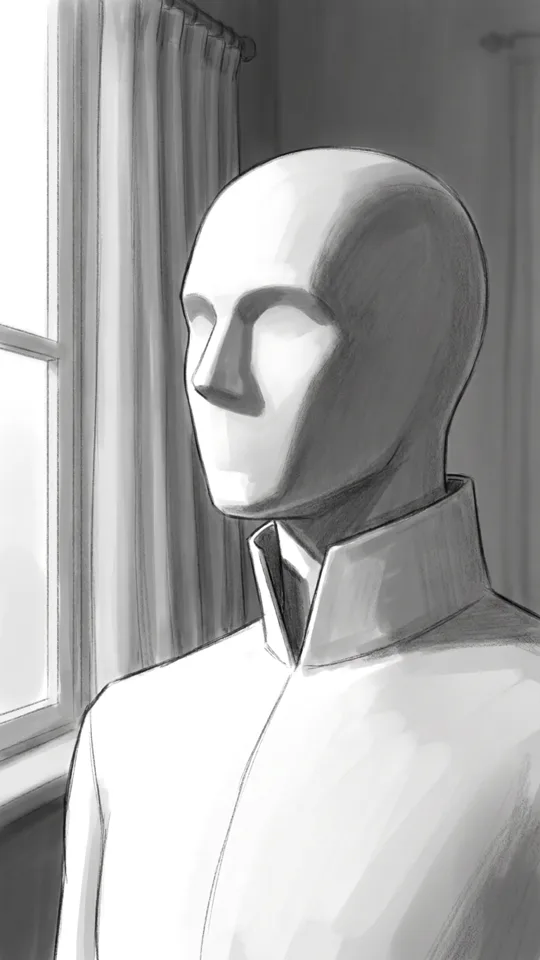
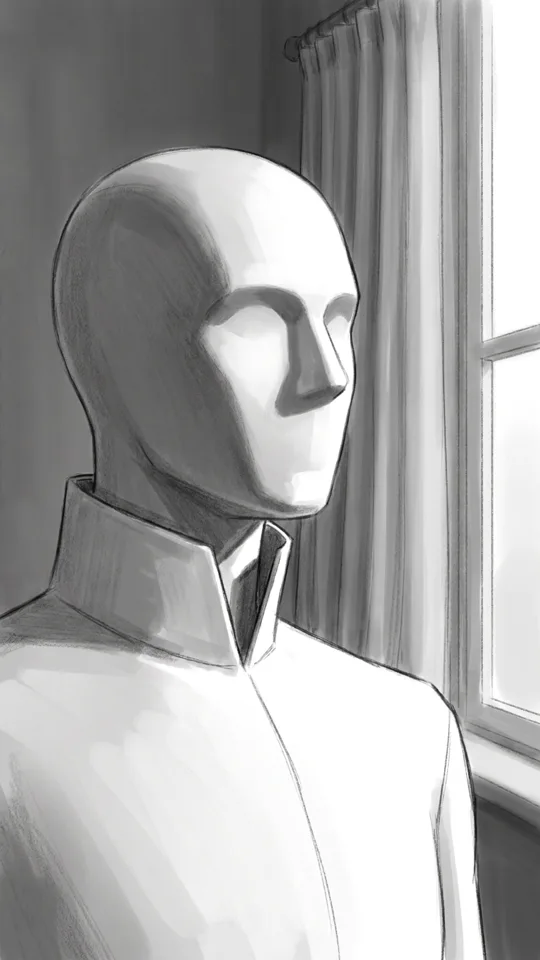
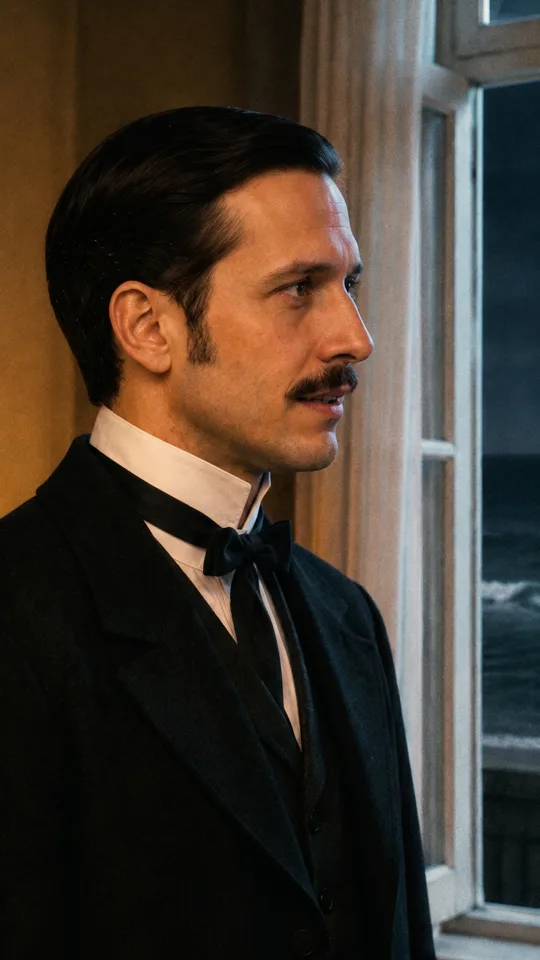
from the ledger, 7 oct 2026
DOM_101_001_030
- episode
- DOM_101
- shot
- DOM_101_001_030
- chain
- storyboard v001 to v006, generated
- v007 by hand: flipped in Photoshop, green-lit
- frame: v001 base, v003 texture pass, approved
- animation: v001 clip, 5 s; v002 lip sync over it
- inputs
- boards: Bento (CHR_0001) v3, Flamengo House (LOC_0001) v10
- frame: Bento v5, Flamengo House v14, board v007
- clip: frame v003, Bento's Kling element (v5)
- lip sync: clip v001, Bento's line
- model and route
- boards: Nano Banana Pro, OpenRouter, pinned to Google Vertex
- frame: GPT Image 2.5 (OpenAI), then Nano Banana Pro (Vertex); one call refused by the provider, nothing made, nothing billed
- clip: Kling 3.0 Omni, Kling's own API
- lip sync: Sync Lip Sync 3, fal
- prompts: Opus 5.5, OpenRouter, pinned to Google Vertex
- artist's call
- v007 green-lit: "flipped the image horizontally, erased the curtain in the background."
- frame v003 and board v007 approved by the supervisor
- recorded cost
- boards $0.84 (6 calls); v007 no call, no cost
- frames $0.21
- clip $0.42, lip sync $0.80
- prompts $0.20 (5 calls)
- 12 takes, $2.47
each take keeps its own inputs. a fix made by hand is a version like any other, and the take under it stays as it was. nothing is painted over.
provenance for AI film: what the record keeps, and why studios are asked for it
06 / how it works
five stages, and who decides at each.
script, shot list, storyboards, frames, animation. production tracking with review and approvals built in: the artist makes each stage, a supervisor approves it. the words are a production's: episodes, scenes, shots, takes, versions, a task and a status for every stage.
the script goes in as a PDF, a screenplay or an agency's AV table, and every beat keeps the line it came from. a client's brand book is read the same way: each rule quotes its page, and nothing lands until a supervisor accepts it. the shot list comes out as a draft the artist checks shot by shot. from the boards on, the artist says what the shot needs, in production language, and Take 9001 writes the prompt for the model picked for that shot, with the pinned references attached. what went in and what came back stay on every take. the artist decides what moves forward. a supervisor approves. everyone's home opens with what's waiting on them: shots back with notes, shots waiting for review, and for how long.
- 01
script
the episode in, scene by scene, every beat quoting the page.
- 02
shot list
decide what gets made, and who makes it.
- 03
storyboards
solve the shot before spending on it.
- 04
frames
the artist calls it. the inputs stay with it.
- 05
animation
the chosen frame moves on, history included. a clip can start on one key and end on the next.
every call is written down before it is sent, so nothing is spent without a record, and a paid call is never retried on its own. the prompt writer is handed the shot's blocks and references, never a description from memory, and lists what contradicts what before the model is paid.
no middleman on your model bill. bring your own keys. pick the model per shot. we don't resell credits and we don't take a cut of your calls. we charge for the software, the setup and the support.
production tracking for AI film: what ShotGrid does not record · AI generation cost per shot: how to track it
07 / what it is and isn't
software for the studio. not a platform you rent.
Take 9001 is self-hosted production software for studios making AI films and series. it installs with your production and runs with your artists and your rules. you bring your own API keys for the models you choose, Nano Banana, GPT Image, Kling, Seedance and MiniMax H3 among them. the providers run the models. Take 9001 runs the production.
it is not a model. it is not a credit store. it does not host or run models, and it does not make the film for you. nothing moves forward because a machine liked it: every green light is a person's call, and the software refuses everyone else's. a fix the artist makes by hand needs no second pass through a model. an artist with the shot open can spend on it; that click is the approval. voices: a licensed or a designed voice, cast on the character. never a clone.
it gets better with your work. every take, green light, discard and hand fix is written down with what made it. those records are what the prompt writer's rules are revised from, model by model. the record is yours: it lives where you run the tool and leaves with nobody. when someone asks what in the film was generated, with what, and which calls a person made, the record answers: every take, its model and inputs, the artist who shaped it, the person who approved it.
costs are counted per shot, never ranked per artist. a high attempt count is a hard shot, not a wasteful artist. the record keeps the reasons, and the reasons are what teach. a supervisor sets a budget per episode. the episode page says what's spent, and past it an artist is warned before a paid click.
it runs on your machines. the database and every file sit on your disk, byte for byte, under names that say what they are. stop using it tomorrow and the folders and the record are still readable. every night a backup, checked file by file, and an encrypted copy off-site. the restore has been rehearsed, not just promised.
alpha. the current test is the first episode of a vertical series on Nísia Floresta's Opúsculo humanitário (1853): shot list locked, boards running. before it, an episode of Dom Casmurro and a 15 s spot. I'm looking for studios to talk about a pilot.
08 / who's behind it
built by someone who makes images move.
I'm Edivino. creative by nature: effects artist in Houdini, motion designer, art director. 16 years of taking notes, and I've taken a lot of them.
my last stretch was AI in a real production, and it left me with more questions than a sense of a job well done. why does the market work like this? is this business model really helping the client? platforms renting you your own pipeline, credits with a markup, nobody able to say which prompt made a shot or what it cost. a right dog's dinner.
I love being an artist, and I love what AI opened up. if I'm going to build something, it has to help the production, the artist, and whoever pays the bill too. how much does a shot actually cost? Take 9001 is built to answer that, and to help everyone on the job. me included.
Credits: Love, Death + Robots, "Can't Stop" (FX). 100 Days (FX). Superman & Lois (FX). I Fell in Love with a Dragon Prince (director, animator). I'm Not a Witch, I'm a Secret Surgeon! (director, animator). The last two with Boxel, for Intelligent Animation (Echoverse), in production.
one independent builder. engineering team: Claude.
I don't ship what I can't explain.
09 / questions
the questions studios ask first.
what is Take 9001? production software for studios making AI films and series. it takes an episode from the script to the shot list, storyboards, frames and animation, keeps every take with the model and inputs that made it, and leaves every green light to a person.
does it generate the images? no. Take 9001 is not a model and does not host or run one. it writes the prompt for the model picked for each shot, sends the call through your own key, and keeps what comes back. the providers run the models. Take 9001 runs the production. the two side by side: generate platforms vs production software.
which models does it work with? the image and video models your keys reach, through OpenRouter, fal or the provider directly: Nano Banana, GPT Image, Kling, Seedance and MiniMax H3 among them, plus licensed or designed voices for the characters. the model is picked per shot.
do we need our own API keys? yes. you pay each provider directly, at its own price. we don't resell credits and we don't take a cut of your calls. we charge for the software, the setup and the support.
where does our material live? on your machines. the database and every file sit on your disk, byte for byte, with a nightly backup and an encrypted copy off-site. a provider receives what a call sends it, nothing else.
does it replace ShotGrid or ftrack? for the generated work, it does a tracker's job: shots, a task per stage, versions, review and who approved what, with every model call attached to the take it made. if your studio runs ShotGrid or ftrack for the rest of the pipeline, Take 9001 sits beside it. the long answer: production tracking for AI film.
can it show what in a film was generated? yes, from the record: every take, its model and inputs, the artist who shaped it, the person who approved it, and what it cost. the record answers questions. it certifies nothing. more on provenance for AI film.
is it ready? alpha. it is in production on test episodes: a vertical series on Nísia Floresta's Opúsculo humanitário, an episode of Dom Casmurro and a 15 s spot. I'm looking for studios to run a pilot.
10 / closing action
tell me what you're making.
an episode, a series, a production problem your team keeps working around. let's see whether a studio pilot makes sense.